Lesson 4: Bid-Ask, Spread, and Order Types
Beginner LevelPublished: September 17, 2025
Lesson 4: Bid-Ask, Spread, and Order Types
Learning outcomes: Understand quotes, control execution costs, and choose the right order type.
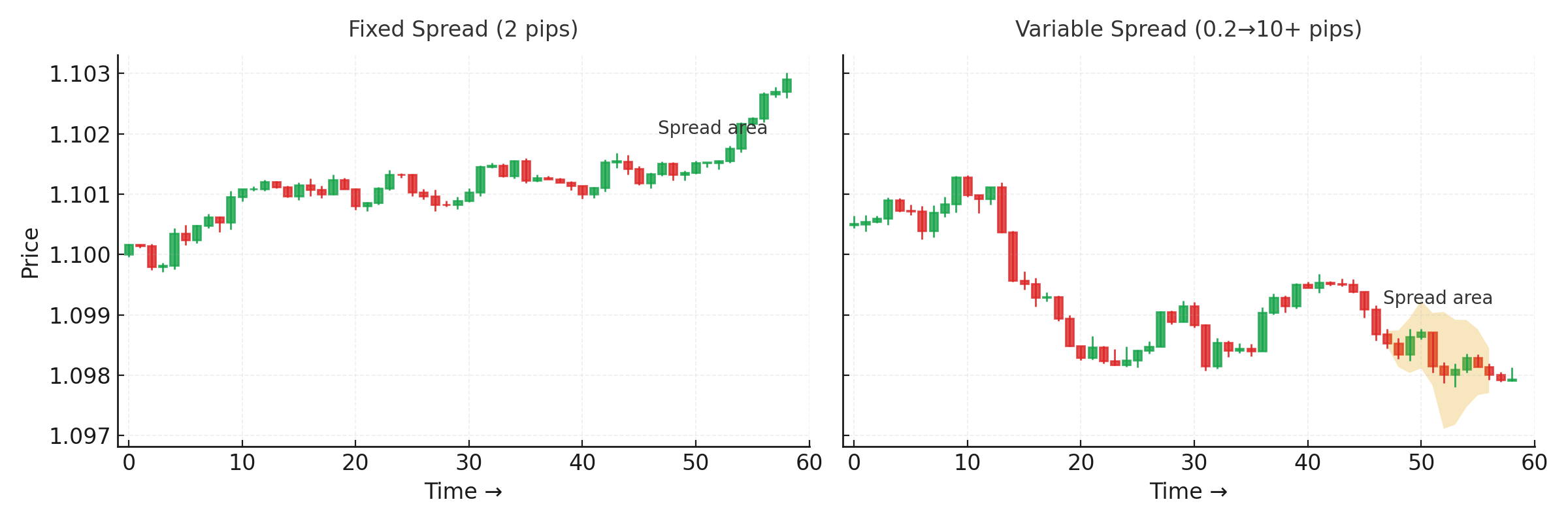
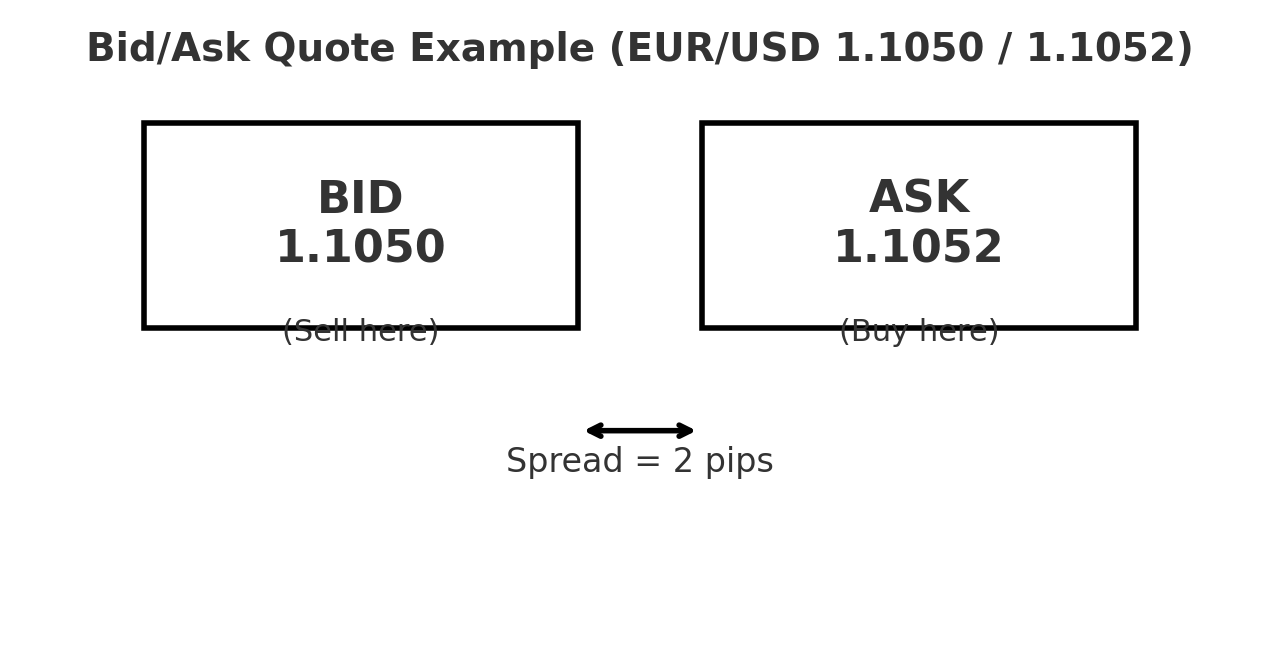
Every trade starts with bid and ask. The spread is the cost of entry and exit, and it changes with liquidity.
Choosing the wrong order type can turn a good idea into a poor fill. Execution is part of edge.
Core concepts
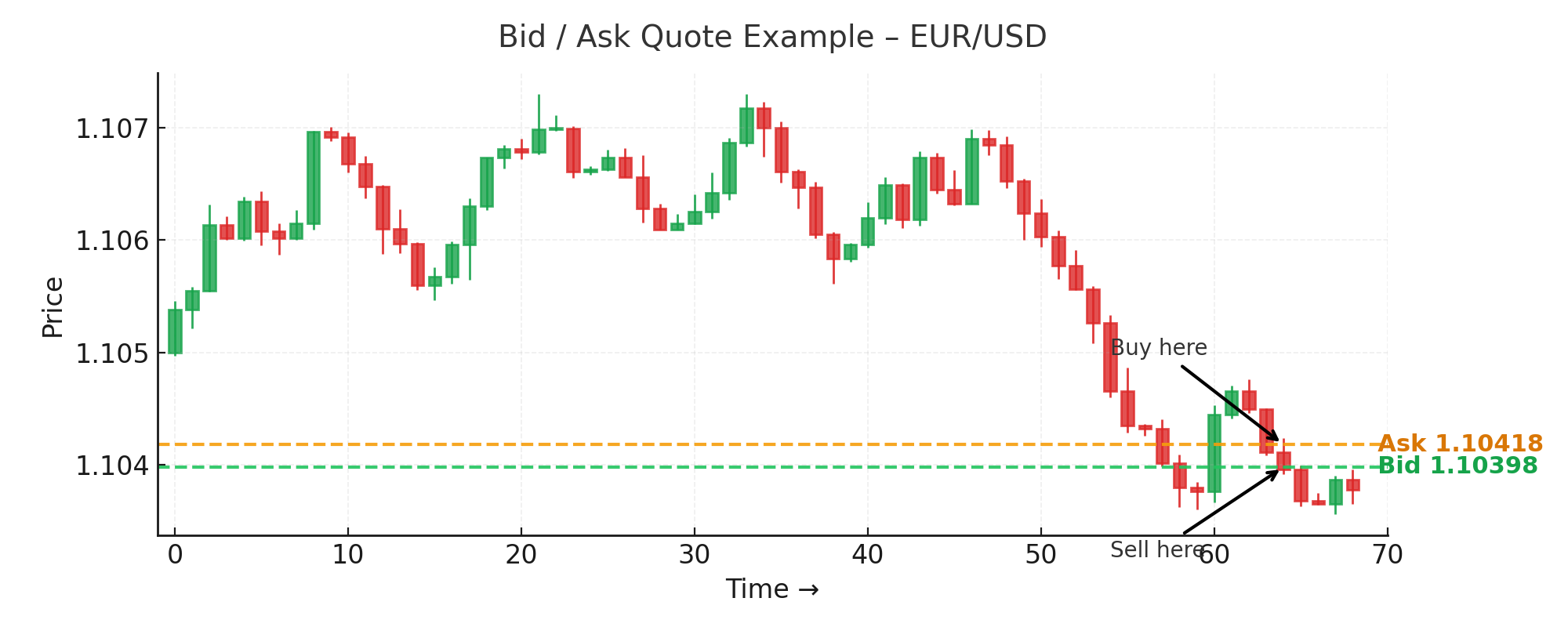
- Bid is where you sell, ask is where you buy.
- Spread widens in low liquidity and high-impact news.
- Market orders = immediate fills with slippage risk.
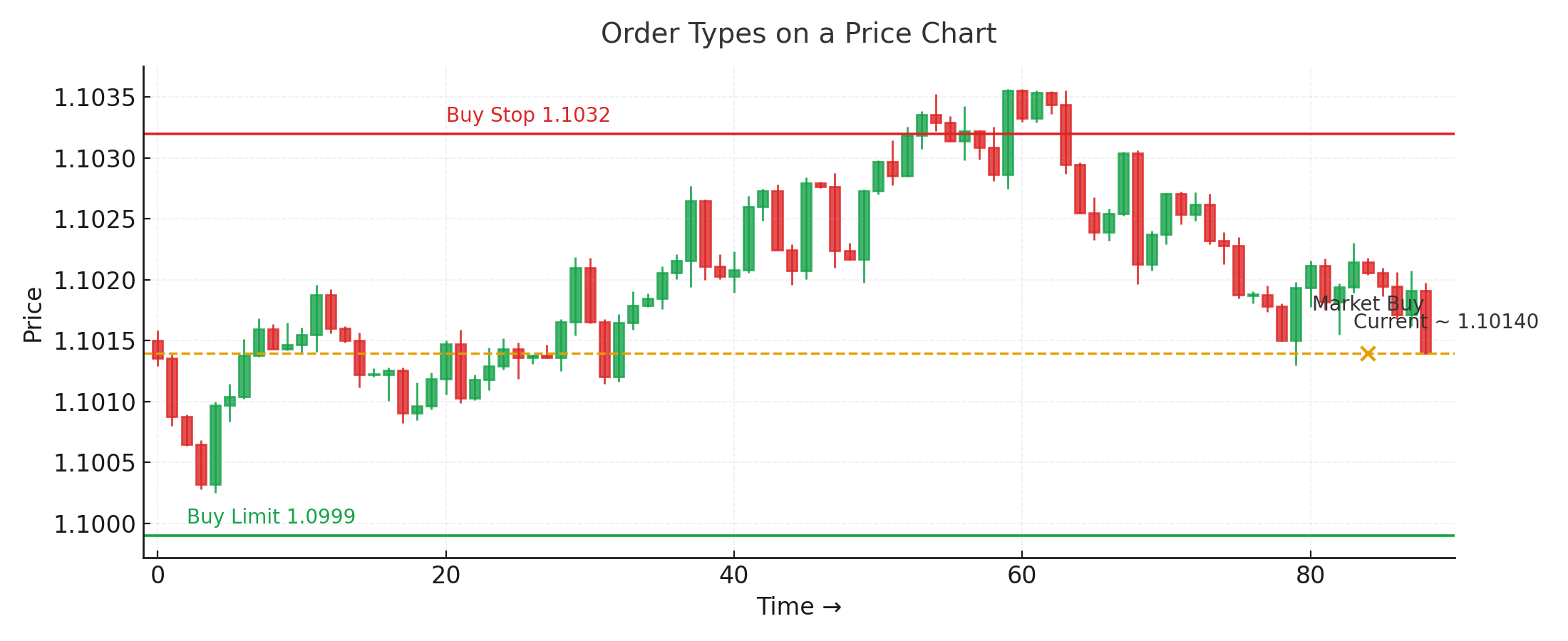
- Limit orders = price control at planned levels.
- Stop orders = breakouts with higher risk of slippage.
Execution framework
- Check spread before entry.
- Select limit orders for level entries.
- Use stop orders for breakout triggers.
- Define stop and target before the order goes live.
- Avoid market orders during red news.
Annotated walkthrough
Example: placing a limit buy at a support zone during London.
- Mark a clean support zone on H1.
- Place a limit order at the zone edge.
- Set stop beyond the structure low.
- Target the next resistance or 2R.
Common mistakes
- Using market orders during news.
- Ignoring spread spikes in low liquidity.
- Placing stops inside the zone.
- Treating all order types the same.
Checklist
- Spread is normal for the pair.
- Order type matches the setup.
- Stop and target defined.
- No red news in the next 15 minutes.
- Execution plan matches the session.
Practice drills
- Track spreads during Asia, London, and New York for one week.
- Place 10 limit orders in demo and review fills.
- Create an order type decision chart for your strategy.
Pro tips
- Limit orders reduce slippage risk.
- Market orders are expensive during volatility spikes.
- Execution costs add up over time.
Annotated Chart Pack
5+ annotated examples for this topic.
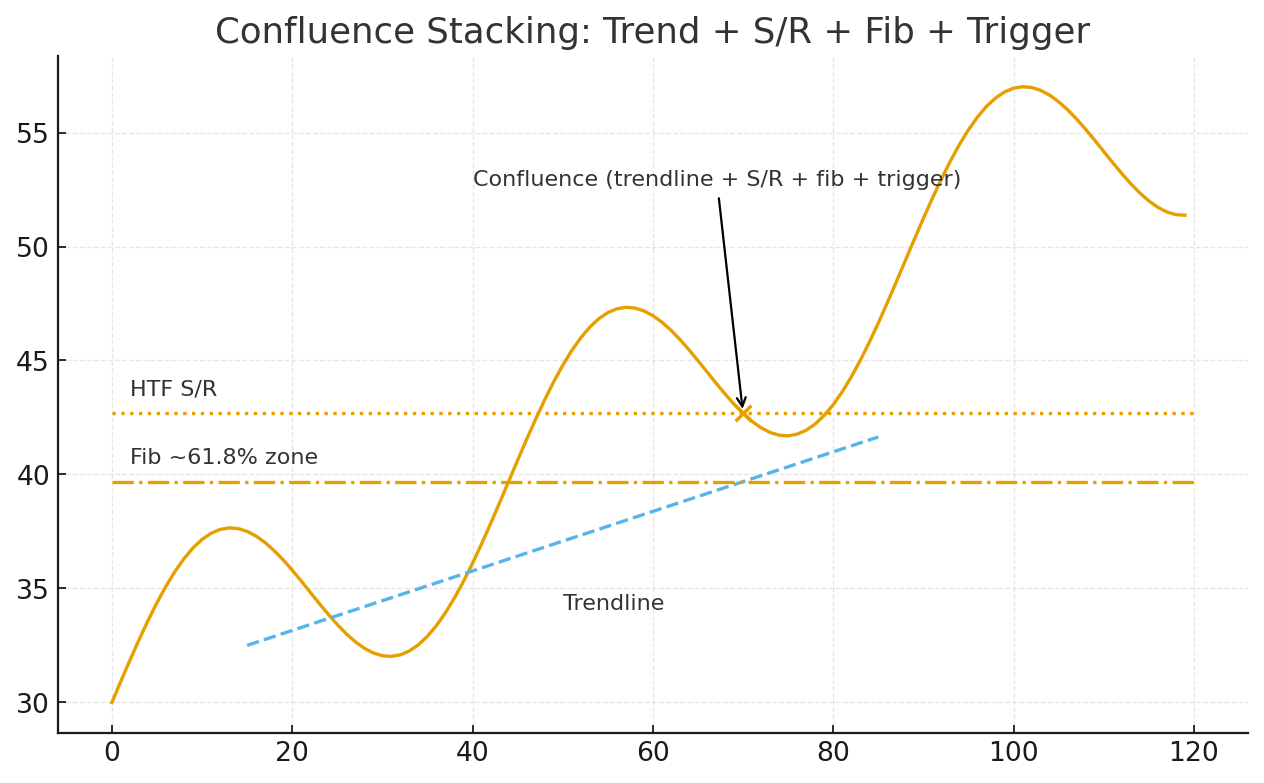
Download the lesson pack for offline study and practice.
Lesson Quiz
Pass mark: 80%