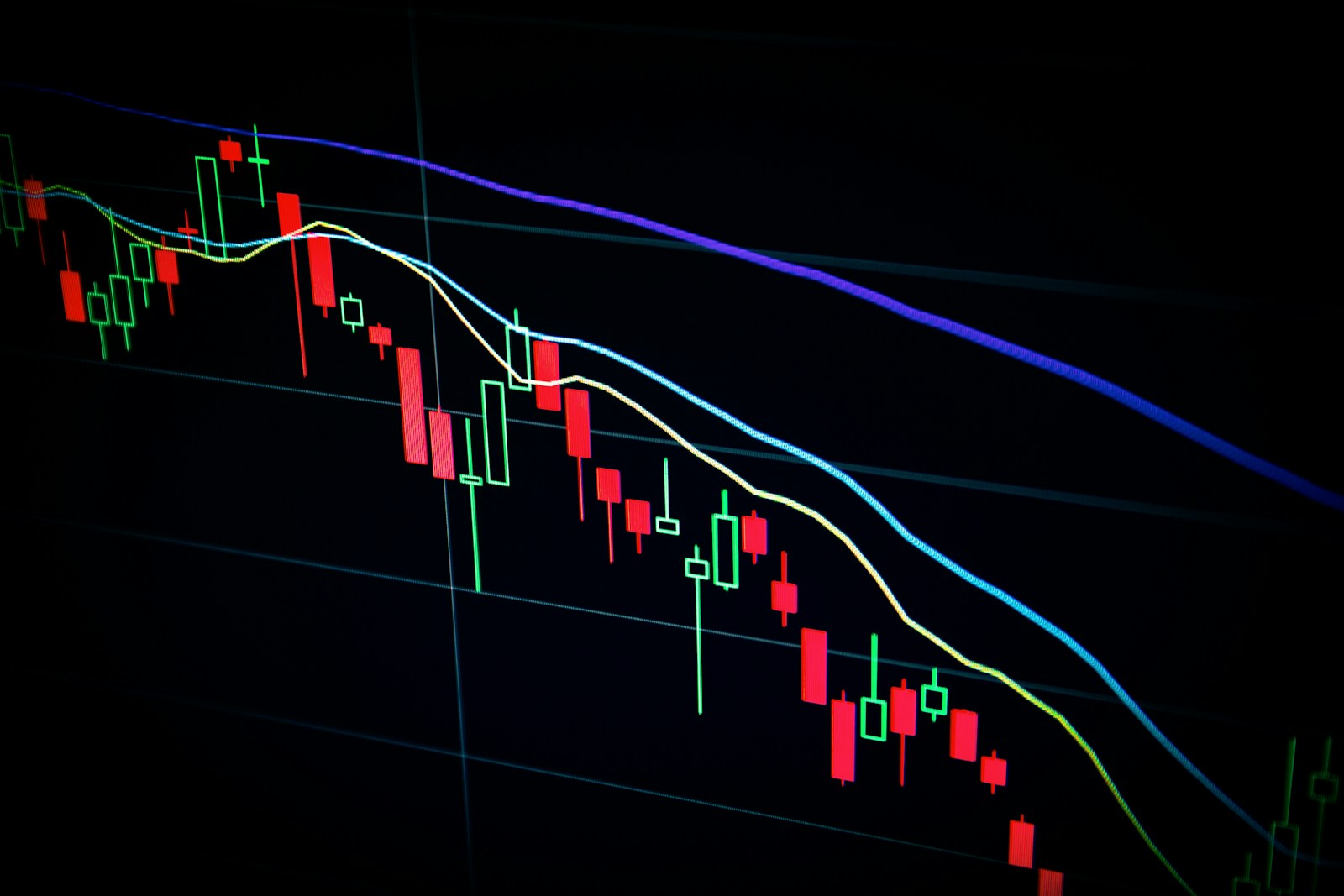
Price reaches the support line you drew an hour ago. It pauses, drops through it, recovers and drops again. Each movement seems to demand an answer. Your chart has a level, but your plan has no decision rule.
“Buy at support” leaves entry timing, stop placement and failure undefined. You end up inventing those details while the price is moving.
Make the condition observable
Use a hypothetical EUR/USD study. You marked a support area between 1.0800 and 1.0810 on a 15-minute chart. Those prices are examples, not current market levels.
One possible rule is: wait for a completed candle to trade into the area and close back above 1.0810. Then consider an entry only if the next pullback holds above the low of that rejection candle. Another trader might require an entirely different condition. The useful part is that your rule can be checked without knowing the future.
Write the timeframe into the rule. A five-minute close and an hourly close can tell different stories. Switching between them until one looks convincing defeats the purpose of waiting.
Decide what failure looks like
If the study depends on buyers defending a particular swing low, the stop needs a relationship to that low. Choosing a convenient ten-pip stop first and drawing a story around it does not make the idea more precise.
Separate a hard protective stop from a reason to cancel an unfilled idea. You might cancel if price closes below the area before an entry forms, if the planned session ends or if the next scheduled release arrives. Cancellation is a complete decision. It does not require finding a replacement trade.
Check the room to the next obstacle
Suppose your entry trigger forms, but the next marked resistance leaves eight pips of room while your stop is 20 pips away. Raising the target on the order ticket does not remove that obstacle.
Calculate the available distance relative to the planned risk, include likely costs and compare it with the rules of the approach you are testing. If the trade fails those rules, pass. A good location can still produce an unsuitable entry.
Keep the risk budget steady when the chart changes
A wider structural stop calls for recalculating the position size. Doubling the stop distance while keeping the same size roughly doubles the price-movement risk. Moving the stop closer solely to preserve a larger position changes the trade you planned.
Do this calculation before opening the ticket. If the platform's minimum size is too large for your cash budget, the setup and the account constraints do not fit each other.
Review the trigger, including the missed trades
Save examples where the level held but your entry condition never appeared. Those are not automatically mistakes. They show what your rule deliberately excludes.
Review triggered trades and untriggered candidates separately. Ask whether the condition was visible at the decision time and whether you applied it consistently. A later rally cannot retroactively create an entry signal that was absent when you were watching.
For your next demo session, write four lines beside one chart: area, trigger, invalidation and cancellation time. If you cannot fill them in, the line is a research note rather than an order.
References & further reading
Forex and CFD trading carries a risk of substantial loss. Examples are hypothetical; analysis is not a personal trading recommendation. Editorial standards · Report a correction.