 Forex Market Brief
Geopolitical Risk Returns: Gulf Pipeline Projects Accelerate as Oil Hits $100
Gulf oil producers are investing billions to bypass the Strait of Hormuz as crude prices breach $100, signaling heightened geopolitical risk and potential shifts in energy-linked currency dynamics.
What happened
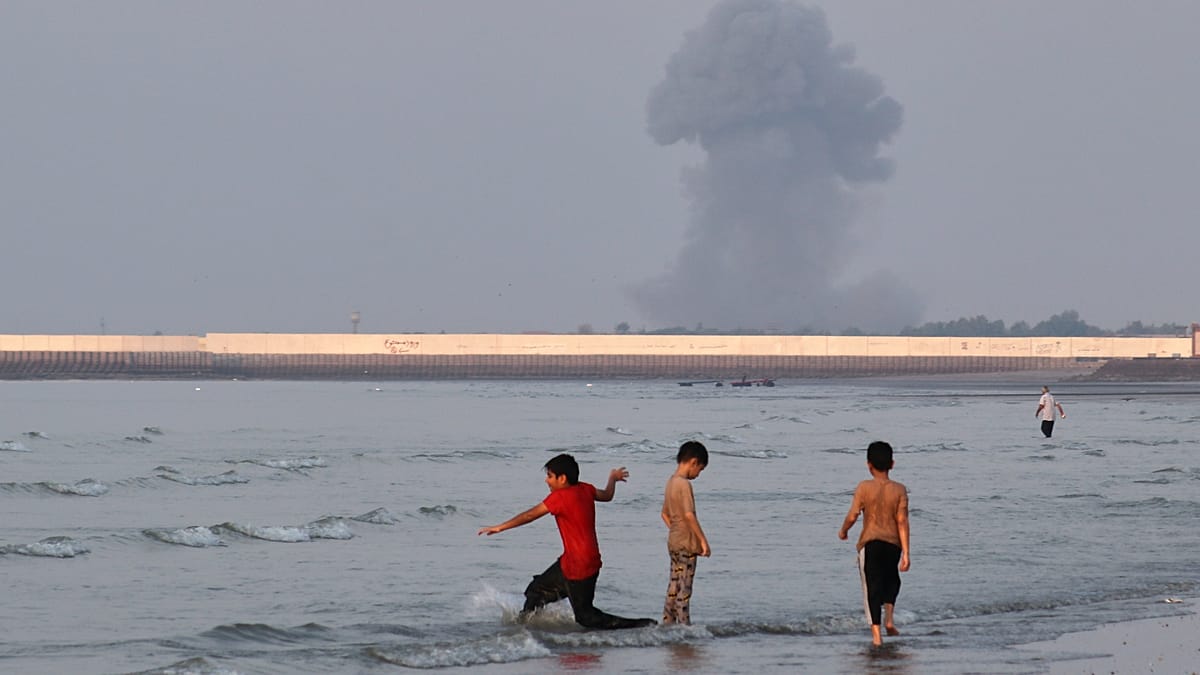
Gulf oil producers have launched a massive capital expenditure initiative aimed at constructing alternative pipeline infrastructure to circumvent the Strait of Hormuz. This strategic pivot comes as crude oil prices have surged to the $100-per-barrel threshold for the first time since May. The move is a direct response to persistent regional tensions, specifically the ongoing influence Iran exerts over the critical waterway, which serves as a primary artery for global energy transit.
Why it matters for forex
For the currency market, the return of $100 oil introduces a complex layer of volatility. Historically, oil price spikes act as a double-edged sword. While they boost the terms of trade for oil-exporting nations, they also act as a tax on global consumption, potentially fueling inflation and complicating the policy paths of central banks worldwide. The race to build alternative routes highlights a long-term structural effort by Gulf nations to insulate their economies from geopolitical bottlenecks, which could eventually reduce the 'risk premium' currently embedded in oil prices.
Currency and pair reaction
The current market environment reflects a flight toward the dollar, which continues to exhibit strength as a safe-haven asset amidst global supply chain uncertainties. Recent market data shows the following dynamics:
- USD/JPY: The pair is trading higher at 163.82, reflecting the dollar's strength against a weaker yen.
- GBP/USD and EUR/USD: Both pairs have faced downward pressure, with GBP/USD retreating to 1.3323 and EUR/USD sliding to 1.1376, as the dollar maintains its dominance.
- USD/CAD: The pair is hovering near 1.4086, showing the Canadian dollar's sensitivity to the broader energy landscape despite the rise in crude prices.
The divergence in currency strength scores indicates that the market is currently prioritizing USD liquidity over the potential inflationary benefits that oil-linked currencies might otherwise enjoy.
What traders should watch
Traders should monitor three key areas in the coming weeks:
- Geopolitical Headlines: Any escalation or de-escalation regarding the Strait of Hormuz will likely trigger immediate, sharp movements in oil-sensitive pairs like USDCAD and AUDUSD.
- Central Bank Communication: With oil reaching $100, central banks may adjust their rhetoric regarding inflation. Watch for any shift in tone from the Federal Reserve or the ECB that suggests a 'higher for longer' interest rate environment to combat energy-driven price pressures.
- Infrastructure Milestones: Updates on the progress of these alternative pipelines will be critical. While these are long-term projects, any acceleration in construction timelines could signal a potential easing of future supply-chain risk, which may weigh on long-term oil price forecasts.
Risk note
The energy sector remains highly susceptible to sudden geopolitical shocks. While infrastructure projects aim to mitigate risk, the immediate impact of high oil prices often leads to increased market volatility across all major currency pairs. Traders should ensure their risk management strategies account for potential gaps in liquidity and sudden spikes in volatility during news-heavy sessions.
This is educational market commentary, not financial advice.
Editorial note
This article is published as an in-house Forex Insights desk note built around chart review, structure, and risk context. Educational only, not investment advice, and not a guarantee of trading results.
Use this with the free tools
Before acting on any market brief, compare the currency strength read with position size and session risk.
How to use this brief
- • Treat the headline as context, then verify the chart structure yourself.
- • Map the active session before deciding whether the move is tradeable.
- • Reduce size or stand aside completely when event risk is still unresolved.
Risk check before acting
- • Is the stop based on invalidation, not emotion?
- • Are spreads and slippage normal for this pair right now?
- • Does this idea fit your current exposure and daily loss limit?