Lesson 11: Entries, Stops, Targets, and Trade Management
Beginner LevelPublished: September 18, 2025
Lesson 11: Entries, Stops, Targets, and Trade Management
Learning outcomes: Define clean entries, place stops correctly, and manage trades with a plan.
Execution is where strategies succeed or fail. Your entry, stop, and target should be defined before you click.
Management rules prevent you from cutting winners short or letting losers run.
Core concepts
- Entry triggers must align with bias and level.
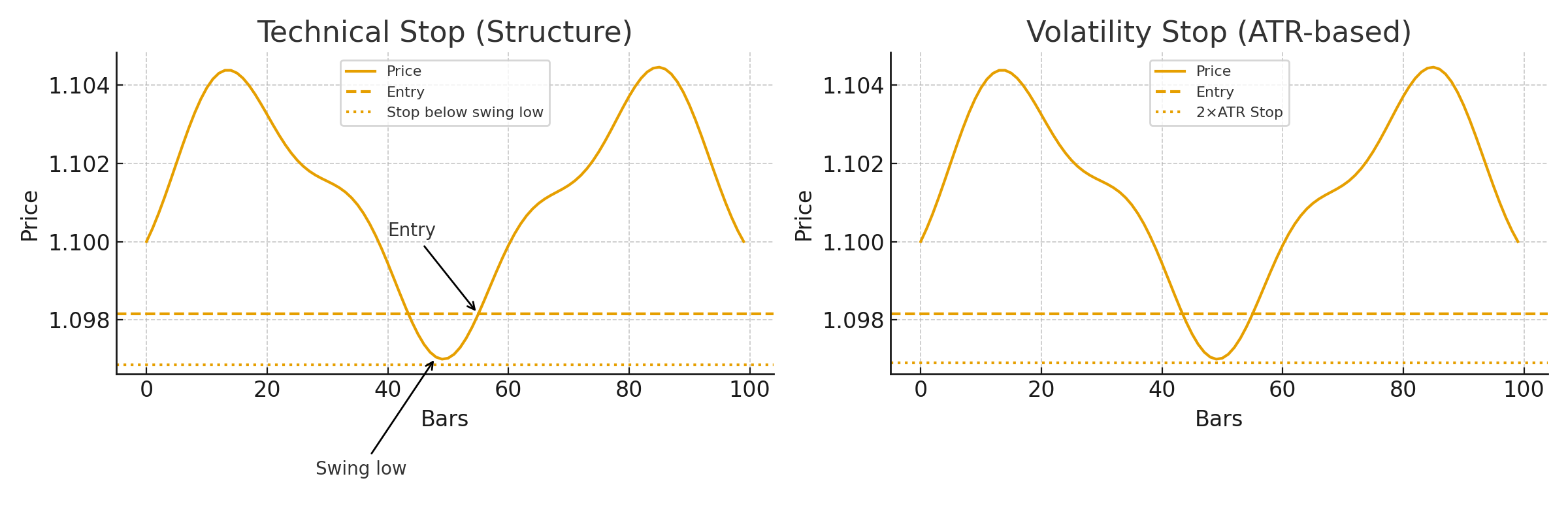
- Stops go beyond invalidation plus volatility buffer.
- Targets should be based on R and structure.
- Partial profits can reduce risk at 1R.
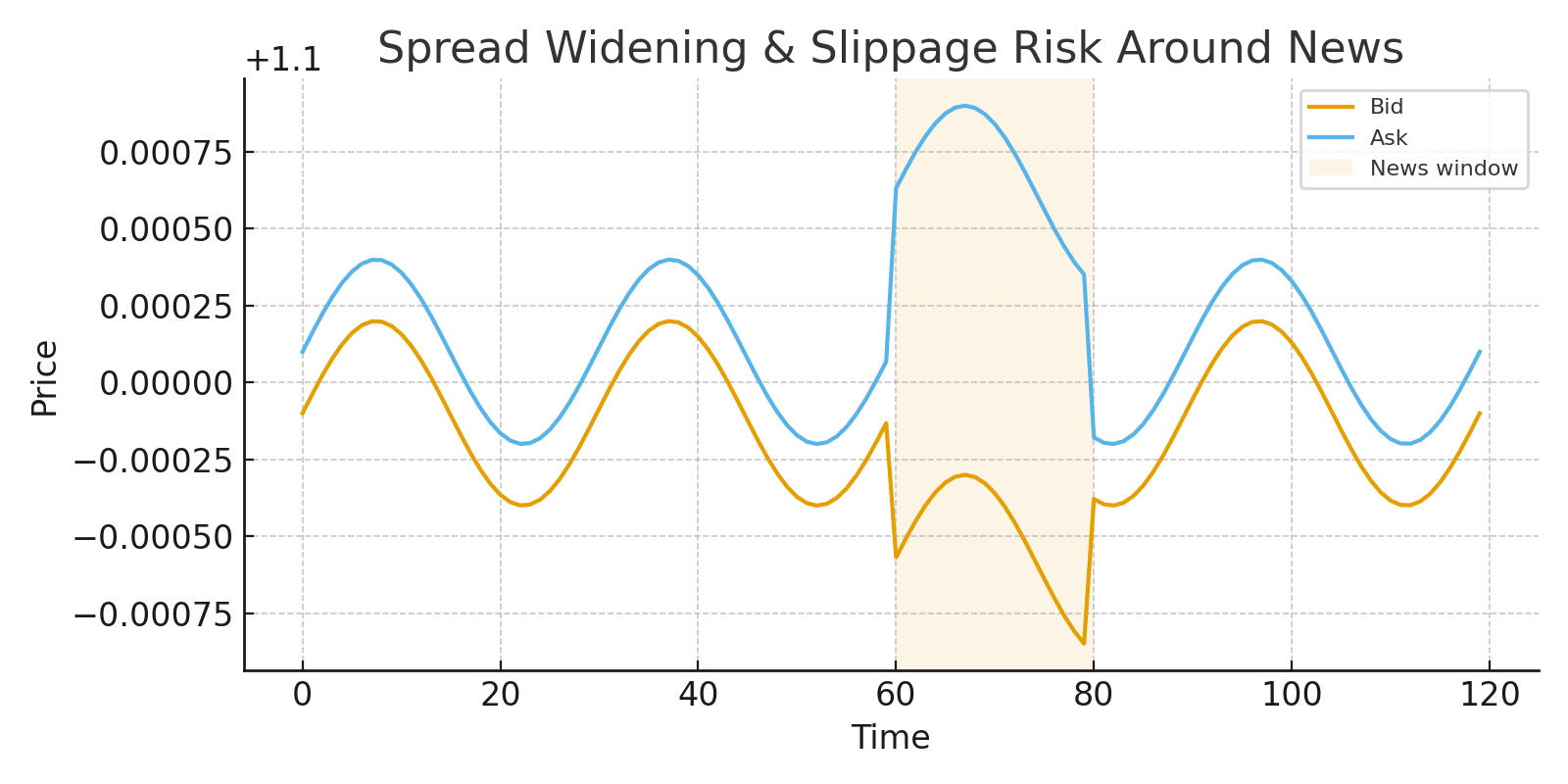
- Avoid news slippage with timing filters.
Execution framework
- Confirm bias and key level.
- Define trigger and entry condition.
- Set stop beyond invalidation.
- Set target using R and next level.
- Apply management rules consistently.
Annotated walkthrough
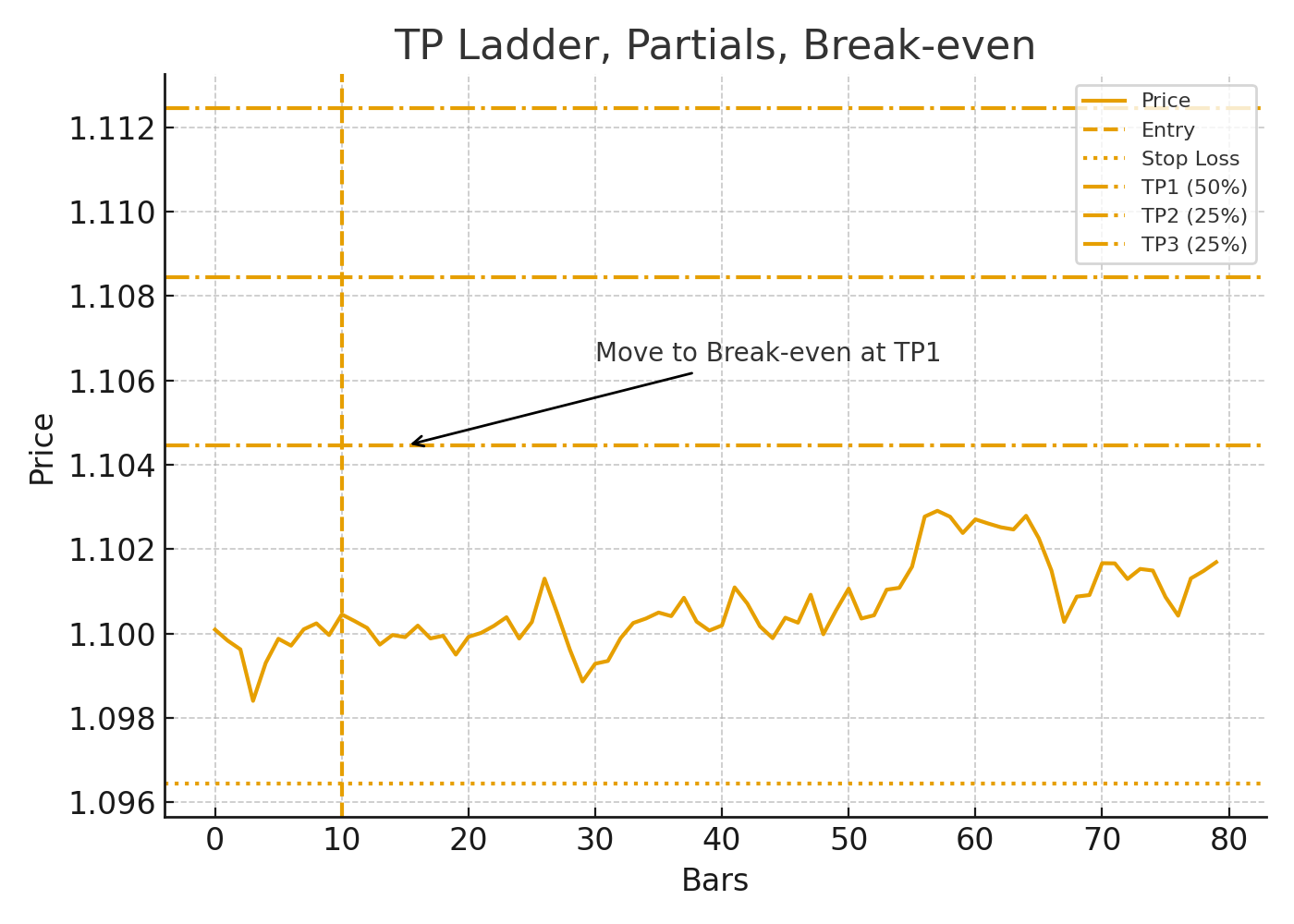
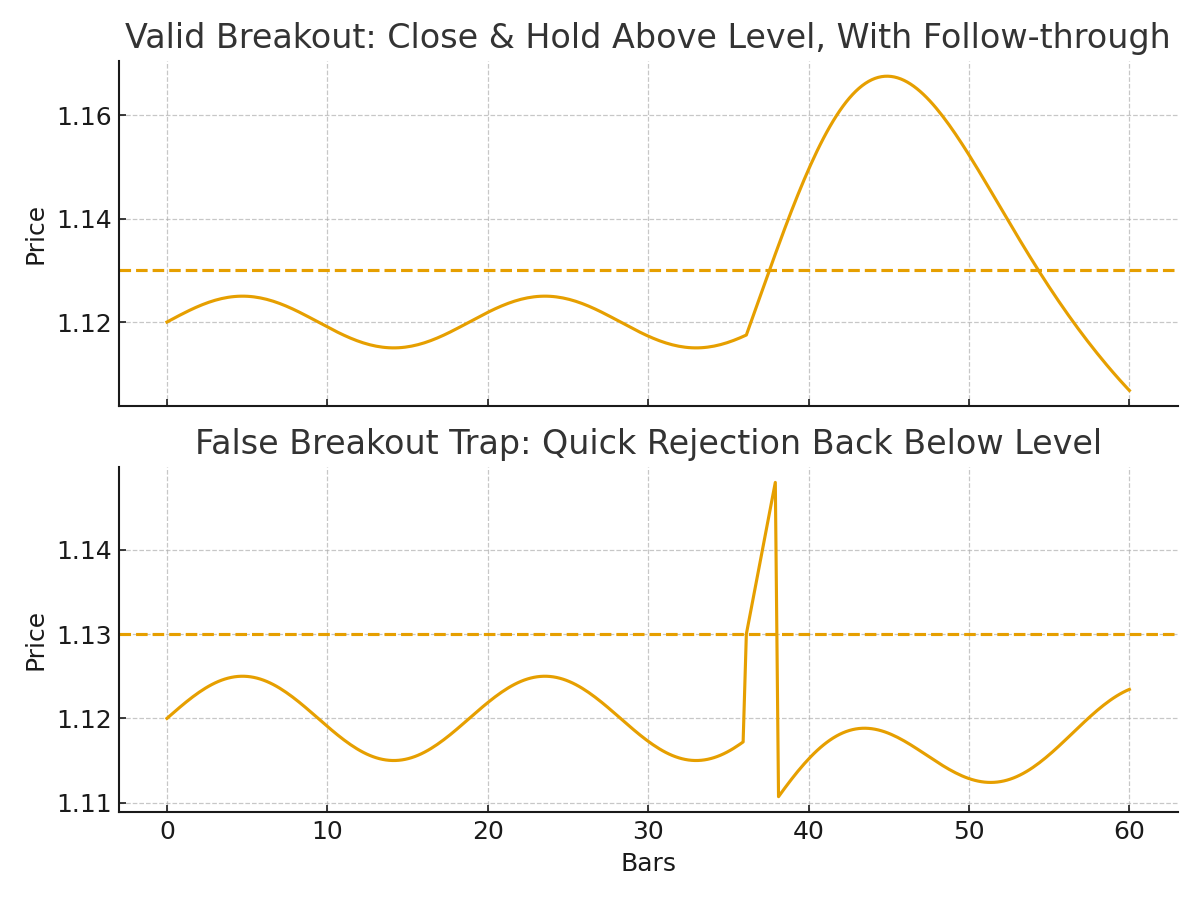
Example: breakout and retest with partial at 1R.
- Wait for a clean breakout of a level.
- Enter on the retest with a defined stop.
- Take partial profit at 1R.
- Trail the remainder using structure.
Common mistakes
- Moving stops too early.
- Taking profit too fast without plan.
- Ignoring slippage during news.
- Entering without a target.
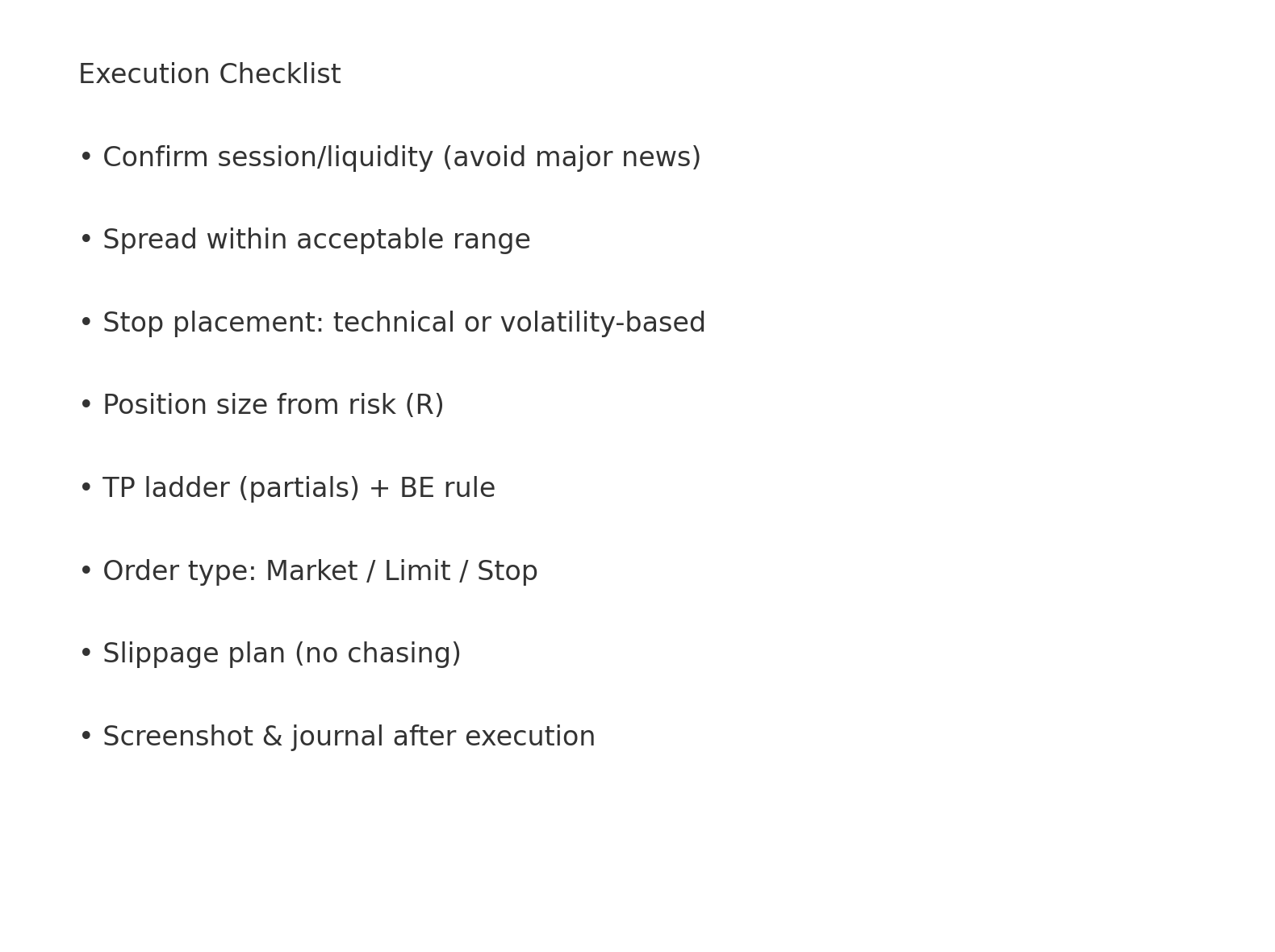
Checklist
- Entry conditions met.
- Stop beyond invalidation.
- Target defined in R.
- News window clear.
- Management rule decided before entry.
Practice drills
- Replay 10 trades and evaluate entry quality.
- Test partial profit rules on 20 trades.
- Track how often you move stops early.
Pro tips
- Plan the exit before the entry.
- Partial profits are tools, not crutches.
- Consistency in management improves expectancy.
Annotated Chart Pack
5+ annotated examples for this topic.
Download the lesson pack for offline study and practice.
Lesson Quiz
Pass mark: 80%