Lesson 6: Candlestick Patterns and Price Action Signals
Beginner LevelPublished: September 17, 2025
Lesson 6: Candlestick Patterns and Price Action Signals
Learning outcomes: Identify high-quality candle signals and confirm them with context.
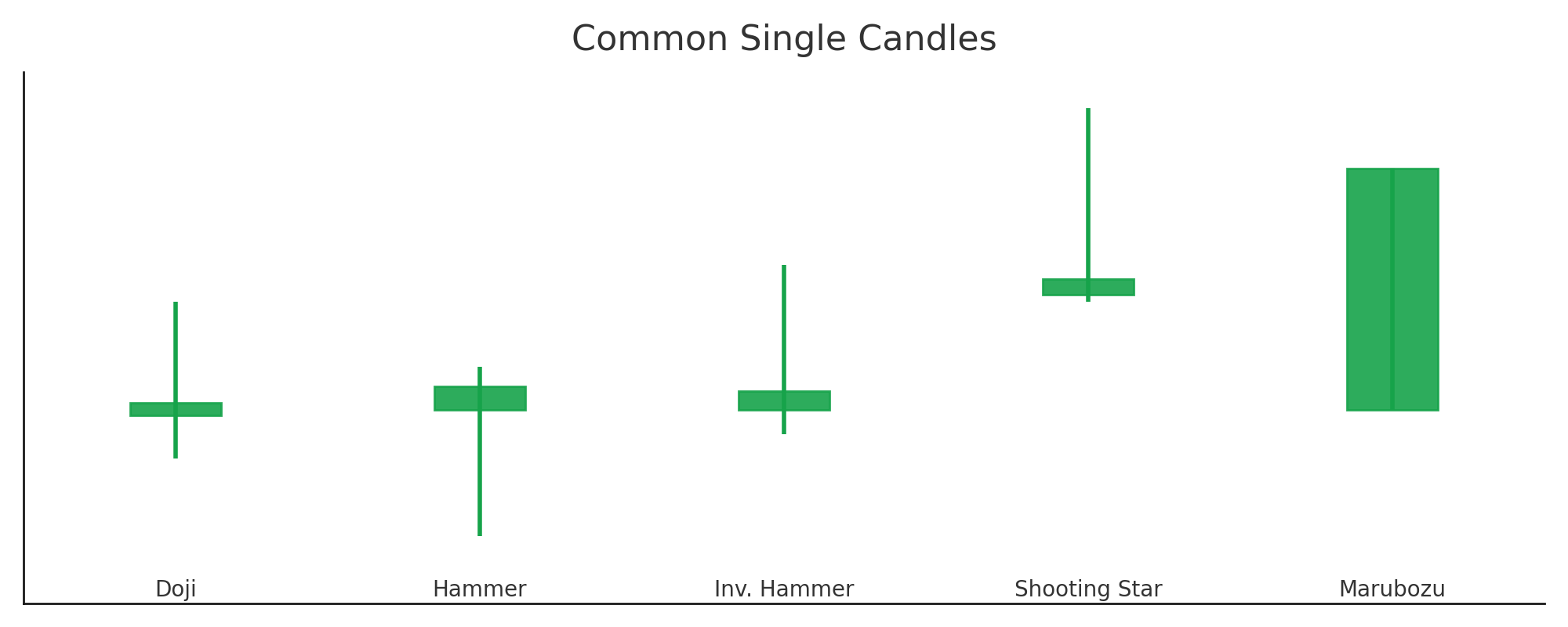
Candlestick patterns are clues, not guarantees. They only work when paired with real levels and session flow.
Focus on a small set of patterns that you can execute with consistency.
Core concepts
- Rejection wicks show failed attempts at a level.
- Engulfing candles show momentum shifts.
- Inside bars show compression that can lead to expansion.
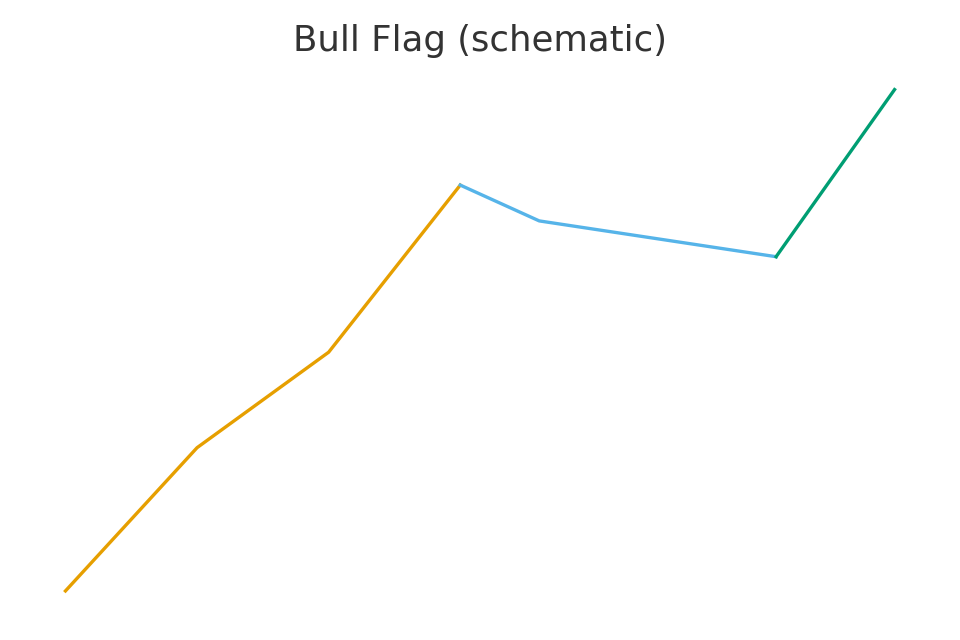
- Flags and pennants are continuation signals after impulse.
- Confirmation prevents early entries.
Execution framework
- Identify the key level and trend.
- Wait for a clear pattern at the level.
- Confirm with a break of the pattern boundary.
- Enter on a retest or continuation close.
- Place stop beyond the pattern invalidation.
Annotated walkthrough
Example: bullish engulfing at demand during London.
- Confirm the level on H1.
- Spot the engulfing candle on M15.
- Enter on the retest of the candle body.
- Target the next liquidity pool.
Common mistakes
- Trading patterns mid-range.
- Entering before confirmation.
- Ignoring session flow.
- Taking every pattern instead of the best ones.
Checklist
- Pattern appears at a key level.
- Trend alignment confirmed.
- Confirmation candle closes beyond the signal.
- Stop placed beyond invalidation.
Practice drills
- Collect 20 pattern examples and label outcome.
- Track which patterns work best for your pairs.
- Build a two-pattern playbook and trade only those.
Pro tips
- Patterns are filters, not edge by themselves.
- Rejection at levels beats patterns in the middle.
- Take fewer, higher-quality setups.
Annotated Chart Pack
5+ annotated examples for this topic.
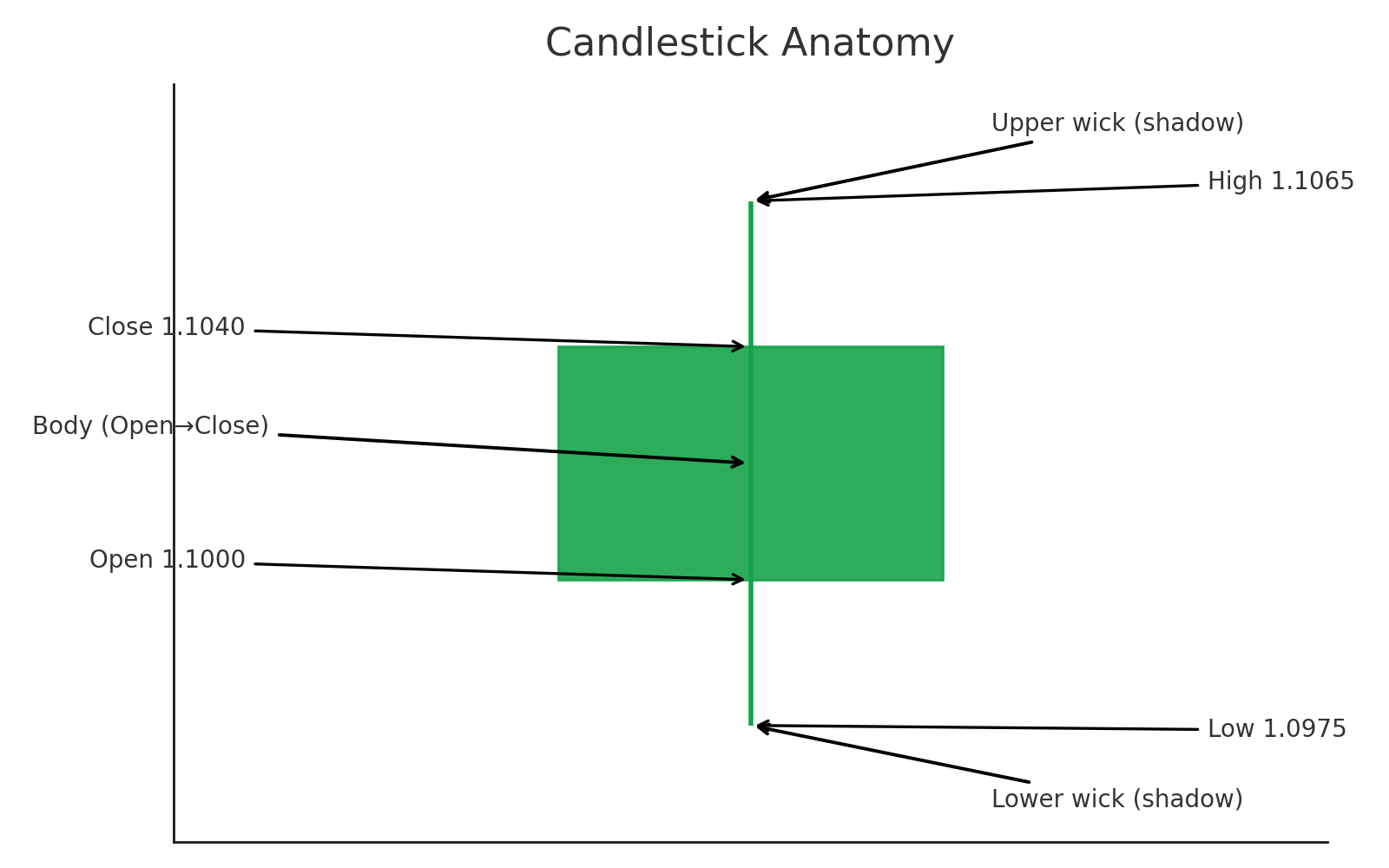
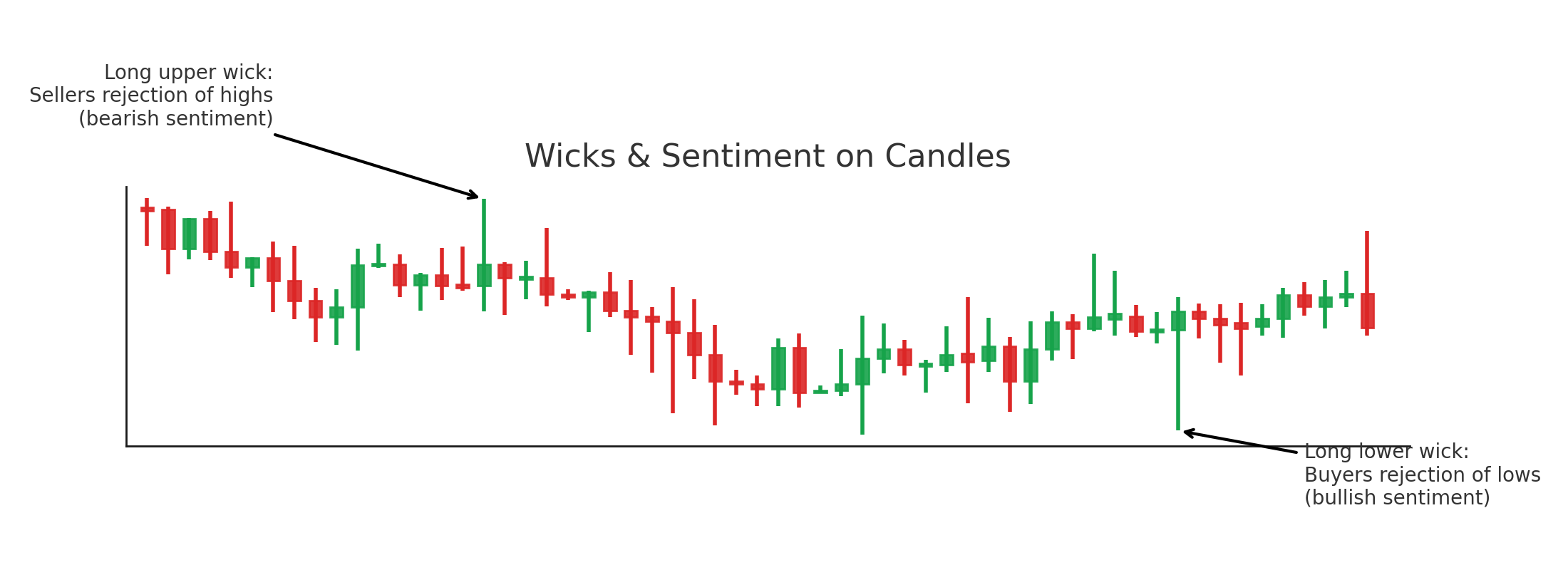
Download the lesson pack for offline study and practice.
Lesson Quiz
Pass mark: 80%