Published on January 29, 2026 | By Forex Insights Desk | 2 min read
Stop Placement That Survives Noise: ATR + Structure
Stops should live outside the noise. Combine structure zones with ATR buffers to protect good trades.
Most retail traders get stopped out by normal market noise. The solution is not to widen your stop randomly. The solution is to place the stop where the idea is truly invalidated. That usually means outside structure and outside the average volatility range.
Step 1: Define the structure zone
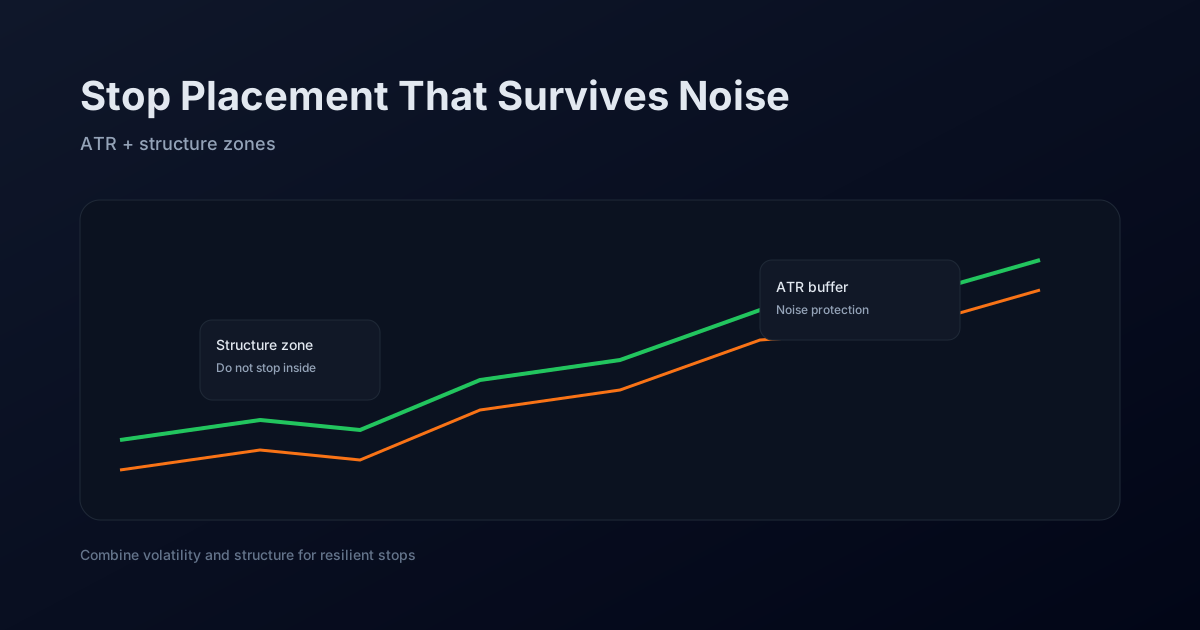
Structure is where price reacted multiple times. Your stop should be beyond the level that would prove the setup wrong.
- Mark the most recent swing low for a buy.
- Mark the most recent swing high for a sell.
- Use zones, not single lines.
Step 2: Add an ATR buffer
ATR tells you how much the pair typically moves. If you place a stop inside that normal range, you are likely to be taken out even if the idea is correct.
- Calculate ATR on your entry timeframe.
- Add 0.2 to 0.5 ATR beyond the structure zone.
- Adjust based on session volatility.
Step 3: Size the trade after the stop
Do not pick your stop based on how much you want to lose. Set the stop first, then size the trade so the risk remains consistent.
Common mistakes to avoid
- Placing stops inside the structure zone.
- Using fixed pip stops across different pairs.
- Moving the stop after entry because of fear.
Quick checklist
- Stop is beyond a real structure level.
- ATR buffer protects against normal noise.
- Position size matches your fixed risk rule.
Strong stops are boring but effective. If your stop placement is consistent, your performance becomes more stable even when the market gets choppy.
Editorial note
Forex Insights blog posts are written as educational desk notes. They explain process, structure, execution, and risk management. They are not individualized trade recommendations and they do not guarantee trading results.
How to study this post
- • Pull up the same pair or structure on your chart and compare the levels.
- • Write down the setup or risk rule the article is reinforcing.
- • Test one idea over a small sample before changing your full playbook.
Questions to ask yourself
- • Would this idea still make sense in a different session or volatility regime?
- • Where is the invalidation, and does the stop fit your account rules?
- • Does this article improve your process, or are you just collecting theory?