 Forex Insights Desk Note
Stop Loss Review: Why good ideas still fail without proper invalidation
Most stop losses are not too tight or too wide by chance; they are misplaced. This review note shows the recurring pattern.
What we found in this week’s journal review
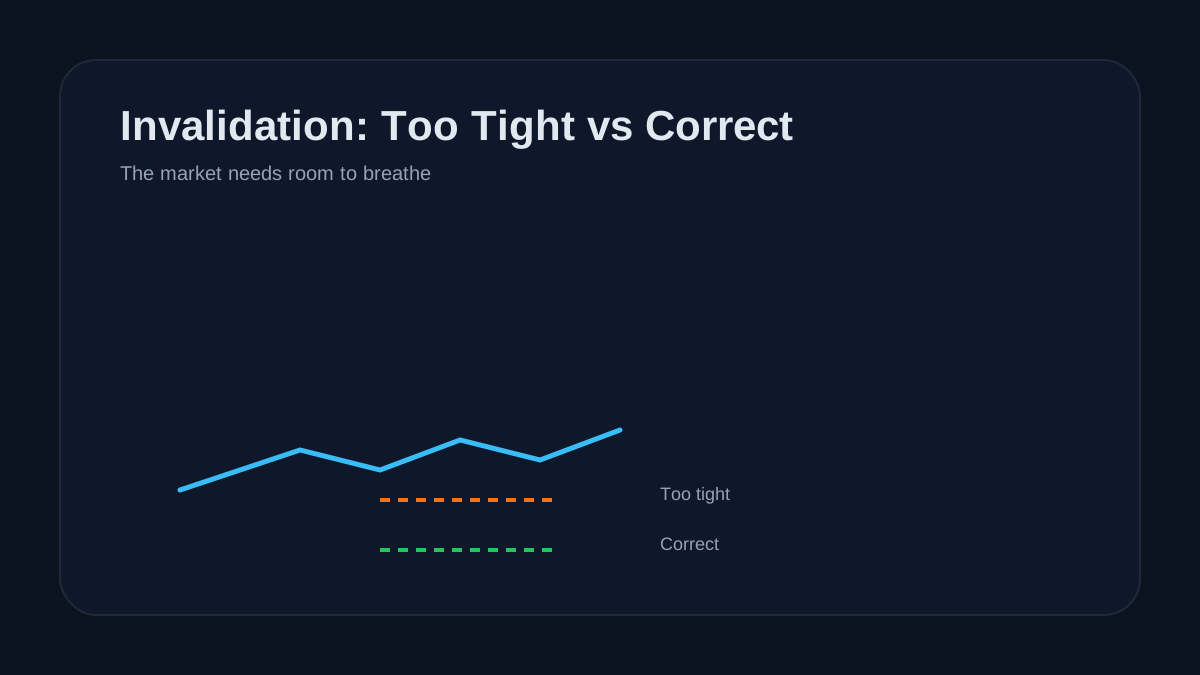
The majority of losses came from stops placed where volatility naturally breathes, not where trade thesis actually breaks. That difference matters. A stop should mark invalidation, not discomfort.
The fix
We now require a two-part stop check: structure level plus volatility buffer. If either part is missing, the trade is not valid. This keeps risk controlled while allowing normal market noise.
Implementation notes
- Define the exact level that proves the setup wrong.
- Add a volatility buffer based on recent ATR behavior.
- Resize position to fit the stop; never move the stop to fit size.
Most performance improvement came from this one process correction, not from adding more indicators.
Editorial note
This article is written by the Forex Insights Desk using our own chart review and trade journal process. We do not syndicate full third-party articles. Educational only, not investment advice.